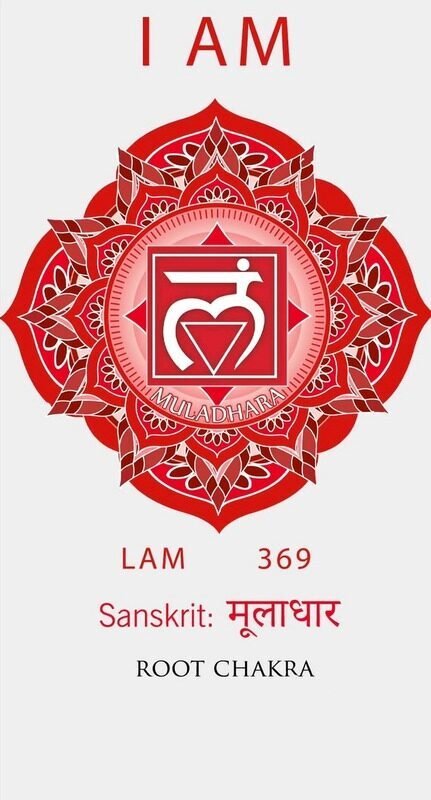
Root Chakra (Muladhara)
The Root Chakra is located at the base of the spine and forms the foundation of the entire energy system. It governs our sense of safety, stability, survival, and connection to the Earth. When this chakra is balanced, we feel grounded, secure, and confident in life’s flow. It provides the inner strength to make practical and stable decisions.
In a deficient (underactive) state, a person may feel fearful, insecure, financially unstable, or chronically tired.
When overactive, one may become overly controlling, materialistic, aggressive, or resistant to change. Imbalances in this chakra often stem from childhood insecurity or lack of safety.
The adrenal glands are associated with this chakra, regulating our stress response and survival instincts. Grounding practices such as walking barefoot on the earth, deep belly breathing, and meditation with the element of earth help to restore its balance.
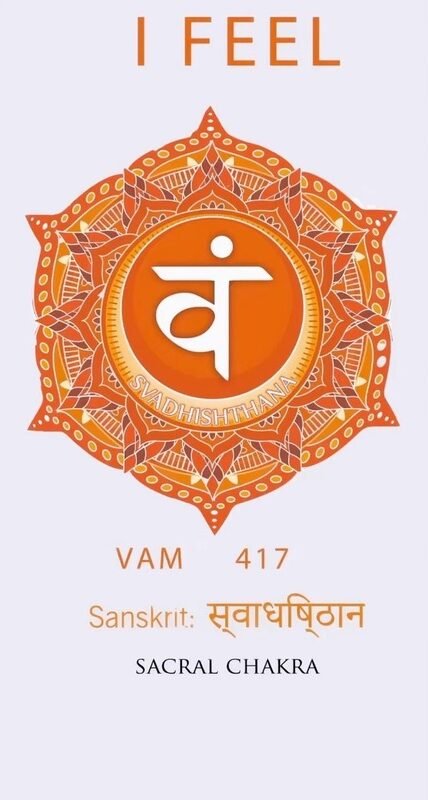
Sacral Chakra (Svadhisthana)
The Sacral Chakra is located below the navel, in the pelvic area. It is the center of emotions, creativity, pleasure, and relationships. This chakra corresponds to the water element, representing flow, adaptability, and emotional movement. When balanced, it allows us to express emotions freely, experience joy, and connect to our creative essence.
In a deficient state, a person may feel emotionally numb, lack desire, or feel disconnected from the body and pleasure.
When overactive, one may experience emotional dependency, addiction to pleasure, jealousy, or mood swings. Imbalance here is often caused by guilt, repression, or shame related to emotions and sexuality.
This chakra is connected to the reproductive glands (ovaries or testes), which regulate sexual energy and vitality. Dancing, pelvic yoga movements, and meditation with the element of water are powerful tools to harmonize this center.
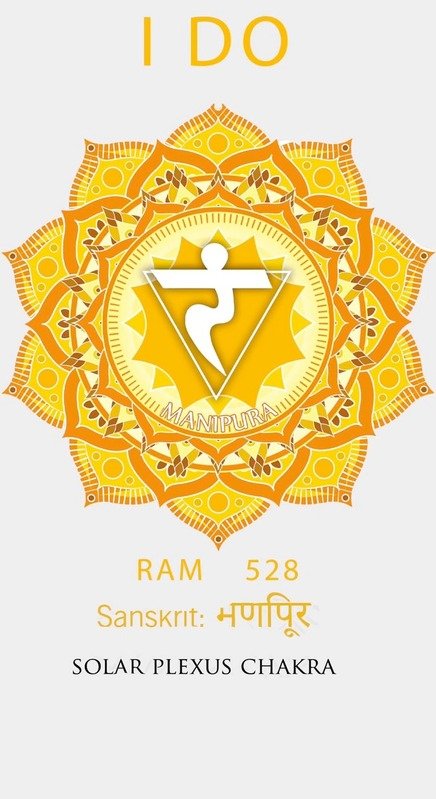
Solar Plexus Chakra (Manipura)
The Solar Plexus Chakra is located in the upper abdomen, around the stomach area. It is the center of willpower, personal strength, and self-identity. Connected with the element of fire, it fuels our motivation and gives us the confidence to act upon our dreams. When in balance, this chakra supports independence, clarity, and healthy self-esteem.
When underactive, one may feel powerless, indecisive, or suffer from low confidence.
When overactive, the person may become controlling, judgmental, or overly competitive. Both states indicate a distorted relationship with personal power and control.
This chakra is associated with the pancreas, which regulates metabolism and blood sugar balance. Fire-breathing techniques (Kapalabhati), abdominal yoga postures, and meditating on the element of fire help restore balance here.

Heart Chakra (Anahata)
The Heart Chakra lies at the center of the chest and serves as a bridge between the lower (physical) and upper (spiritual) chakras. It is the seat of love, compassion, forgiveness, and connection. When open and balanced, this chakra allows unconditional love to flow both inward and outward, without attachment or fear.
When underactive, a person may feel emotionally cold, distant, or afraid of intimacy.
When overactive, there may be excessive self-sacrifice, dependency, or the need for constant validation. Such imbalances often arise from unresolved emotional pain or grief.
The thymus gland is linked to this chakra and is associated with the immune system and vital energy. Heart-centered breathing, loving-kindness meditation, and time in nature are wonderful practices for restoring harmony here.
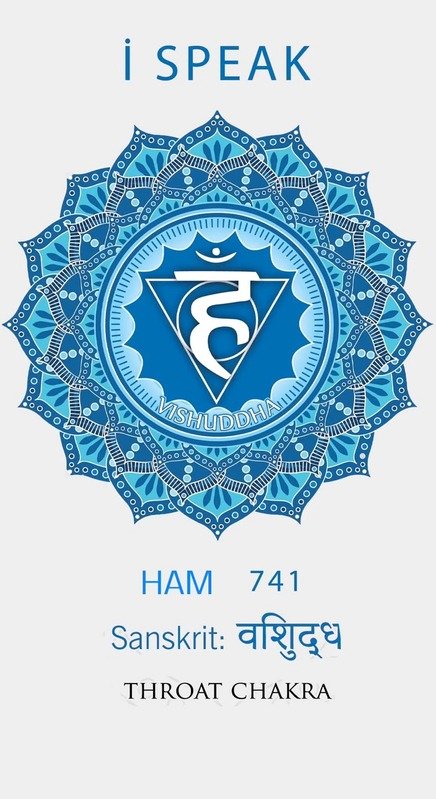
Throat Chakra (Vishuddha)
The Throat Chakra, located in the neck area, is the center of expression, communication, and truth. It resonates with the element of ether (space), allowing us to speak our authentic voice and listen with awareness. When balanced, we express ourselves clearly and truthfully, without fear or aggression.
In a deficient state, one may struggle to speak up, feel unheard, or fear judgment when expressing themselves.
When overactive, there may be excessive talking, dominance in communication, or a lack of listening.
This chakra is connected to the thyroid gland, which regulates metabolism and energy levels. Chanting mantras, singing, journaling, and vocal toning are powerful tools for healing this chakra.

Third Eye Chakra (Ajna)
The Third Eye Chakra is located between the eyebrows and governs intuition, insight, and mental clarity. It resonates with the element of light and allows us to see beyond physical perception, connecting us to inner wisdom. When balanced, we trust our intuition and perceive life with clarity and depth.
When underactive, one may experience confusion, difficulty focusing, or disconnection from inner guidance.
When overactive, the mind may become overly analytical, lost in imagination, or detached from reality.
This chakra is connected to the pituitary gland, the master gland that controls hormonal balance and other endocrine glands. Meditation, deep silence, visualization, and sufficient rest are key practices to balance this center.
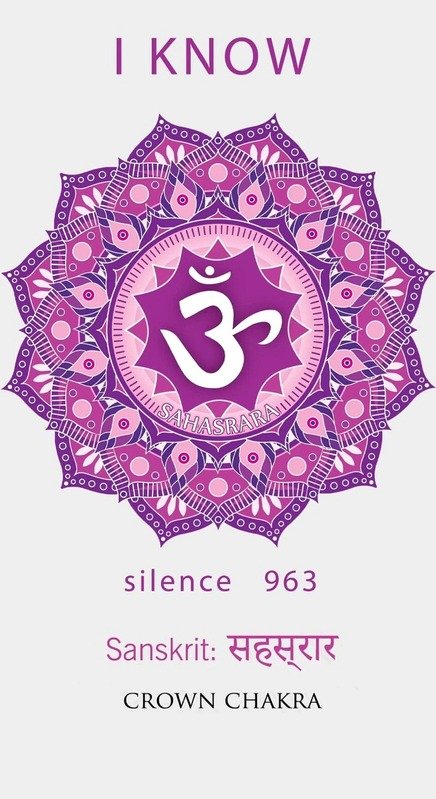
Crown Chakra (Sahasrara)
The Crown Chakra is located at the top of the head and represents the highest state of consciousness. It connects us to divine wisdom, universal truth, and the awareness of oneness. When open, this chakra brings deep peace, clarity, and spiritual awakening.
When underactive, one may feel disconnected from spirituality, lost, or purposeless.
When overactive, the person may be overly detached from the material world or hold a sense of spiritual superiority. True balance comes from grounding spirituality into everyday life.
This chakra corresponds to the pineal gland, which regulates sleep cycles and higher consciousness. Stillness, prayer, meditation, and focusing on the sensation of light above the head help activate and harmonize this center.